Corporate gifting is the secret handshake of business relationships. When budgets shift, it can feel like your handshake is suddenly done in paper instead of gold. This article shows you how to handle changes in corporate gifting budgets for spa products without losing the sparkle that keeps clients and partners smiling.
Corporate gifting budgets ebb and flow just like the tide. A sudden cut can leave you scrambling to find new ways to delight your audience while staying within the new financial shoreline. By understanding why budgets change, assessing your current strategy, and deploying flexible tactics, you can keep your spa‑product gifts both luxurious and budget‑friendly. Ready to ride the wave? Let’s dive in.
Understanding the Budget Shift
Why Budgets Change
Budgets can tighten for a variety of reasons—economic downturns, shifting company priorities, or unexpected expenses. When the CFO pulls the rug out from under your gifting plan, the first instinct is panic. Instead, view the change as an opportunity to innovate.
- Economic uncertainty forces tighter cash flow. Strategic pivots may reallocate funds to other initiatives. Seasonal fluctuations can create temporary budget gaps.
Impact on Spa Product Gifting
Spa products are prized for their sensory appeal, but they can also be pricey. A budget cut means Australian beauty brands you need to preserve the Beauty treatment hampers calming experience while trimming costs. Think of your gifting program as a garden: you can still grow beautiful flowers even if the soil gets a little lean.
Assessing Your Current Gifting Strategy
Inventory and Cost Analysis
Start by mapping out what you currently offer:
- Product mix: Essential oils, bath salts, aromatherapy kits. Pricing tiers: Premium, mid‑range, and entry‑level items. Supplier relationships: Bulk discounts, exclusive deals.
A quick spreadsheet can reveal where you’re overspending and where you can trim without compromising quality.
Client Expectations
Your clients know what to expect. If they’re accustomed to a high‑end gift, a sudden downgrade may feel like a slap. Gather feedback:
- Surveys: Ask what they value most in a gift. Focus groups: Discuss alternative options. Historical data: Which gifts drove the most positive responses?
Balancing cost and expectation is the key to maintaining trust.
Strategic Tactics to Adapt
Tiered Gift Packages
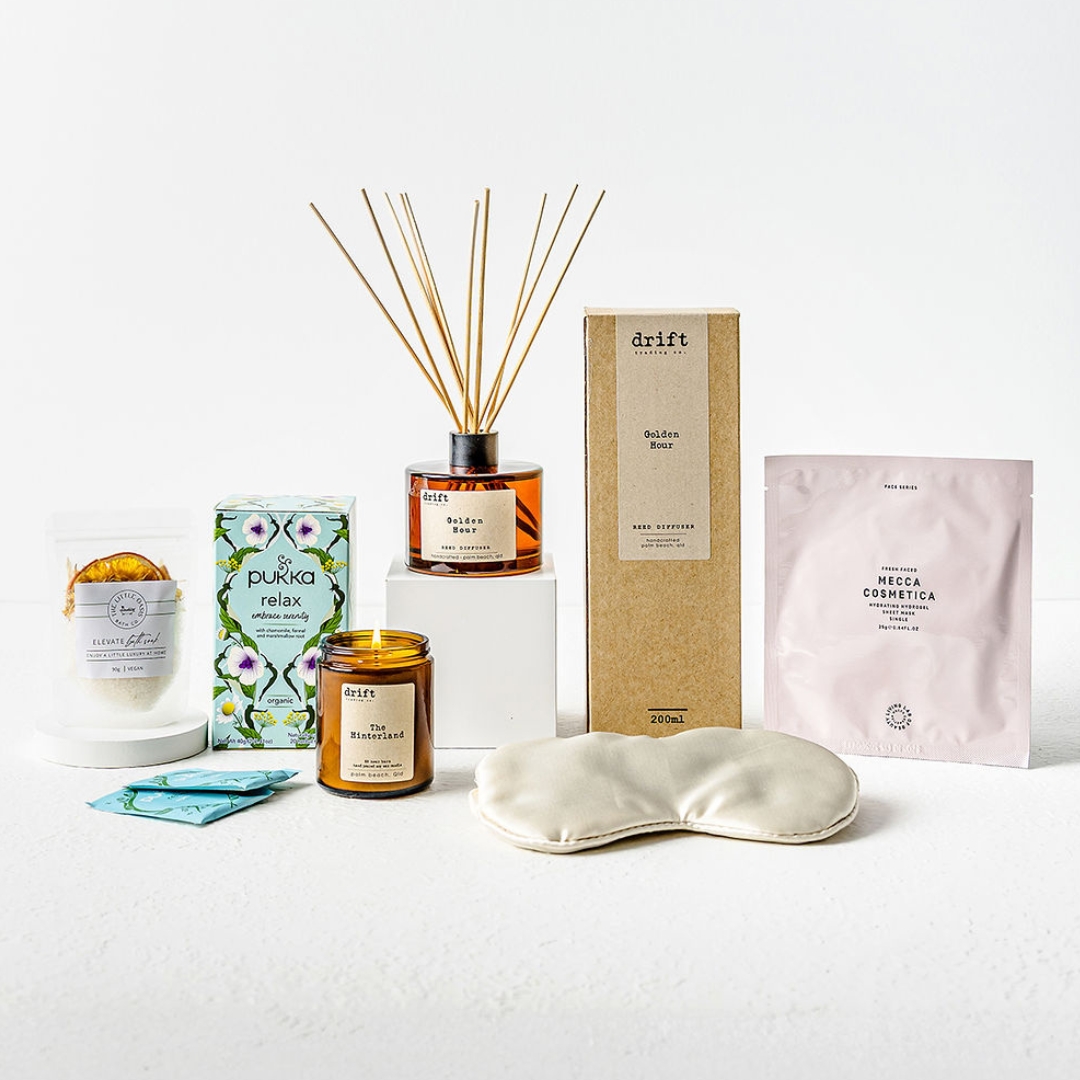
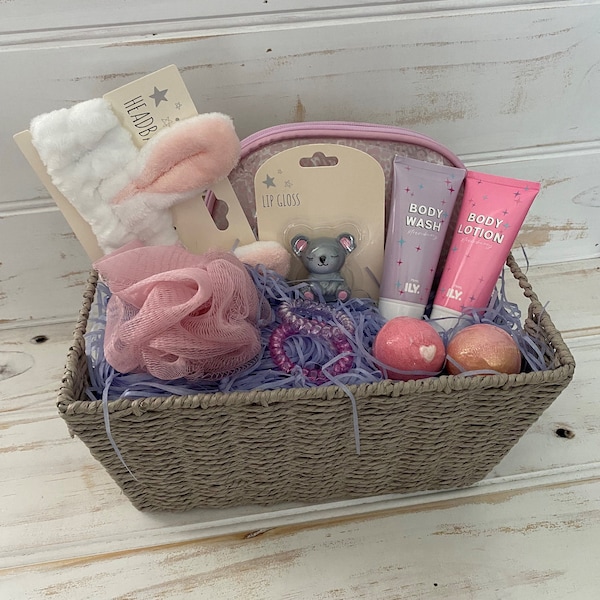
Create a menu of gift tiers that cater to different budget levels. This approach lets you keep the luxury feel while offering more affordable options.
- Premium tier: Luxury spa set with a personalized note. Mid‑tier: Curated bundle of scented candles and bath salts. Entry tier: Simple, elegant gift card to a spa retailer.
By offering choices, you give recipients the sense of control and choice—like a spa menu that lets them pick their own relaxation routine.
Leveraging Partnerships
Collaborate with local spas, wellness influencers, or complementary brands. Partnerships can unlock discounts, exclusive products, or co‑branded gifts that add value without breaking the bank.
- Cross‑promotions: Share costs and reach new audiences. Exclusive collaborations: Limited‑edition items that feel premium. Bulk deals: Negotiate lower prices for larger orders.
Think of partnerships as a spa‑service combo—two treatments that together feel more indulgent than each alone.
Digital Alternatives
When physical products become too costly, consider digital gifts that still convey care:
- E‑gift certificates: Flexible and instantly delivered. Virtual wellness sessions: Yoga or meditation classes. Online spa retreats: Curated playlists and guided relaxation videos.
Digital gifts can be just as memorable, especially when paired with a personalized message.
Measuring Success and ROI
Tracking Metrics
To prove that your adapted gifting strategy still works, monitor key performance indicators:
- Engagement rate: Open and click‑through rates for digital gifts. Redemption rate: How many recipients actually use their gift cards. Client feedback: Satisfaction scores from post‑gift surveys.
Data will help you fine‑tune the program and justify future budgets.
Feedback Loops
Create a continuous improvement cycle:
Practical Tips for Implementation
- Audit your supplier contracts and negotiate better terms. Use a tiered gifting system to offer flexibility. Partner with local wellness businesses for exclusive deals. Introduce digital gift options to reduce shipping costs. Track metrics to demonstrate ROI to stakeholders. Solicit regular feedback to keep the program relevant.
These steps act as a roadmap, guiding you from budget constraints to a robust gifting strategy.
The Perfect Gift Awaits
In the world of corporate gifting, the goal is to make every recipient feel valued—without draining the treasury. By understanding why budgets change, assessing your current approach, and implementing flexible tactics, you can handle changes in corporate gifting budgets for spa products with confidence and creativity.
Remember the words of wellness guru Deepak Chopra: “The best way to take care of yourself is to treat yourself.” Apply that philosophy to your gifting program: treat your clients with thoughtful, budget‑conscious spa gifts that nurture relationships.
Now that you have a clear playbook, it’s time to roll out your new gifting strategy. Your clients will appreciate the thoughtfulness, and your finance team will thank you for the smart savings. Happy gifting!